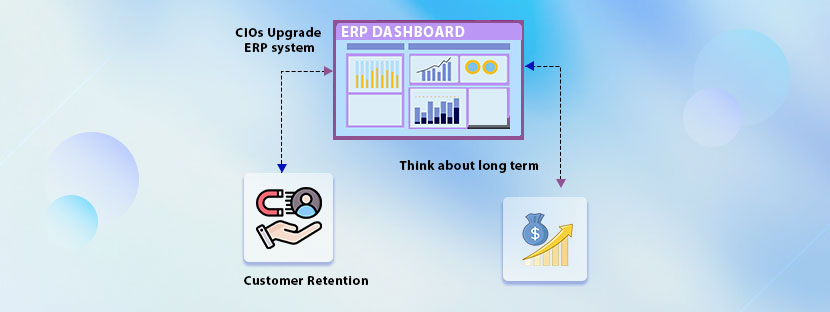
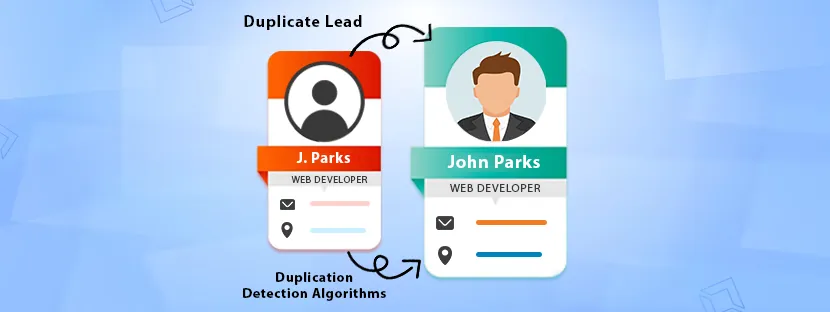
Duplicate leads mean connecting the same prospect twice…sending marketing emails twice…calling them twice… offering a discount twice…and so on.
Everything for two times. As the prospect you select will appear twice in your database. It can majorly drain your valuable resources. Plus, you cannot see any major change in the long term at all.
Let’s understand why it happens and how you can prevent lead duplication in this blog.
What does lead duplication mean
As you can guess, the matter is from its name. Lead duplication happens when there is more than one record for the same person in your system. Sometimes detecting duplicates becomes a challenge in itself.
Duplicate information may not look exactly the same. What happens sometimes is that people register themselves or sign up from their different emails. A slight difference in their information, but it indicates the same thing. When different types of information about the same person are entered into the CRM, it produces data duplication. It’s a responsibility of your systems to reduce the occurrence of duplicates in your crucial data operations.
How do leads get duplicated?
Detecting the causes of data duplication is important for businesses. Because it helps maintain a clean and highly efficient CRM system. Duplicate records can accumulate quickly within the system if left unchecked.
As we all know, the results of duplicate record accumulation within the system. It can damage campaign results, reduce sales productivity, and damage customer experiences. So, here we are going to discuss the main reasons why duplicate records get generated.
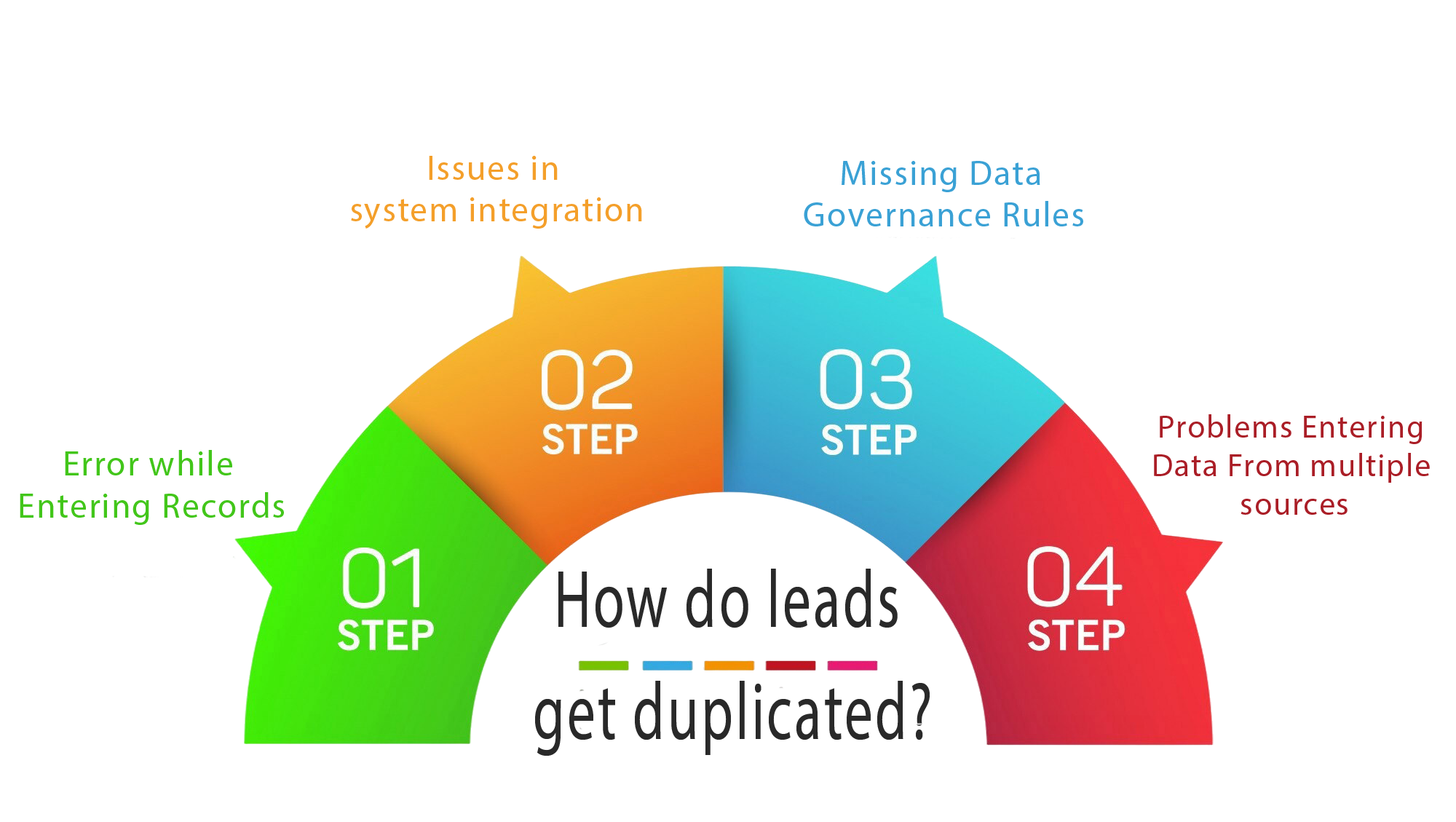
⟢ Error while entering records
Human errors can cause serious harm in the record-keeping process. Let’s accept the fact that mistakes can happen while entering records. Small differences in formatting, spelling, or even some incomplete or missing fields can result in duplicate records. The issue of duplication even becomes worse if the company misses having a deduplication system in place.
⟢ Issues in system integration
A majority of the duplication issues appear when it comes to integrating two separate databases. Two distinct databases should sync together if integration happens. Otherwise, it will create a major issue in synchronization.
There are some special situations when the scale of creating duplicate entries increases rapidly. It happens when your organization uses different types of software for different purposes and later decides to integrate them all. Each software or tool uses different types of formats to store data. Therefore, when combining all formats together, it creates a mess within the data system.
⟢ Missing data governance rules
A clean and crystal-clear guideline should be there for managing data ownership. In the field of data, it is referred to as data governance rules. Without having a data governance rule, the data processes may suffer from various issues. For example, your team can handle data in various ways without even knowing whether the process is accepted or not.
Even though many companies now have deduplication processes but it can remain bland. Setting the data governance rule beforehand can save your system from duplicate records. If inconsistencies remain in your database, it can produce duplicate data. A lack of data governance, systems could not understand lead matches, and it resulted in duplicate leads.
⟢ Problems entering data from multiple sources
In marketing and sales operations, leads are being collected from multiple sources. Most interestingly, after collecting leads, most of the time, sales and marketing teams store the lead data into multiple systems. Some get stored in spreadsheets, some lead into third-party software, while some randomly get stored in a legacy system.
When leads enter a database from multiple sources, it creates a mess. Maybe not all the leads are available in the same format. Some in an Excel file, some in random chat, or anything. When combining all together, it will definitely make the lead database bloat and create mishaps, i.e., duplicate leads.

Best ways to prevent lead duplication
Having repeated names, emails, and other contact information can make your sales team suffer. It can drain your outreach budget and make your sales team unproductive. In the long term, it can damage your brand reputation as you’ll end up targeting the same lead multiple times, and increase frustration.
Here are some tips you can implement to avoid and remove duplicate lead data.
Configure CRM for deduplication
You shouldn’t make a single mistake undermining your CRM setup process. Duplicates happen in CRM at first and later on in other phases. Choose a CRM system that comes with a depute warning, separate verification rules, and field standardization tasks. Plus, invest time in making accurate CRM data entries as it matter the most here.
Monitor every stage throughout all the entry points in your CRM system. Keeping all the entry points under the radar can make your system free from all errors.
Organize data intelligently
If you found any sort of duplicate within your CRM database regarding leads, you need to rearrange the lead database immediately. Smartly organize all your data into your CRM databases. Creation of logical categories and groups allows your organization to manage data more effectively. Plus, this will identify duplicates faster than usual systems.
Nowadays, CRM software or lead management software provides extensive filters. You can create separate groups based on lead types, product interest, region, etc. It will help your team efficiently navigate the database and manage inconsistencies better.
Keep faith in duplication detection algorithms
Integrating automation into the CRM is a trend now. Deploying algorithms to detect duplication can showcase the outcomes in real time. The best part of algorithms is that they can check the unlying patterns simultaneously. For example, the areas where deduplication happens can be detected earlier. You can take up precautionary measures to prevent storing duplicate leads.