Imagine your operations and sales teams speaking the same language…constantly, consistently, and concurrently.
Well, it’s still a dream for many organizations.
But it is absolutely possible. All you need here is to integrate your CRM with ERP systems. Do you want to know how? Let this blog guide you.
Differences Exist Between ERP & CRM
If you believe in delivering a steady flow of customer satisfaction, integrating your CRM and ERP is the best idea ever.
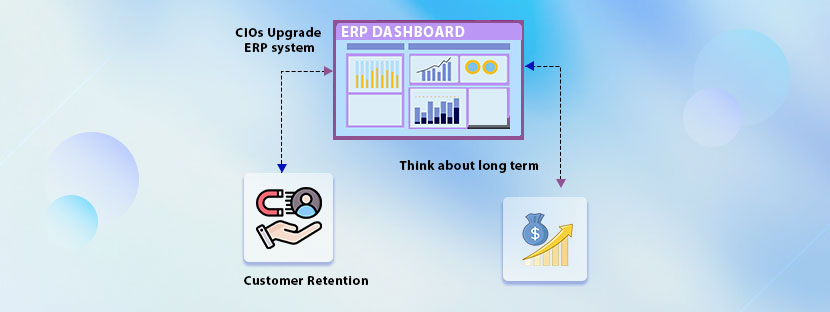
With this integration, you can expect more visibility across your business procedures. Eventually, it will lead you to provide an excellent customer experience.
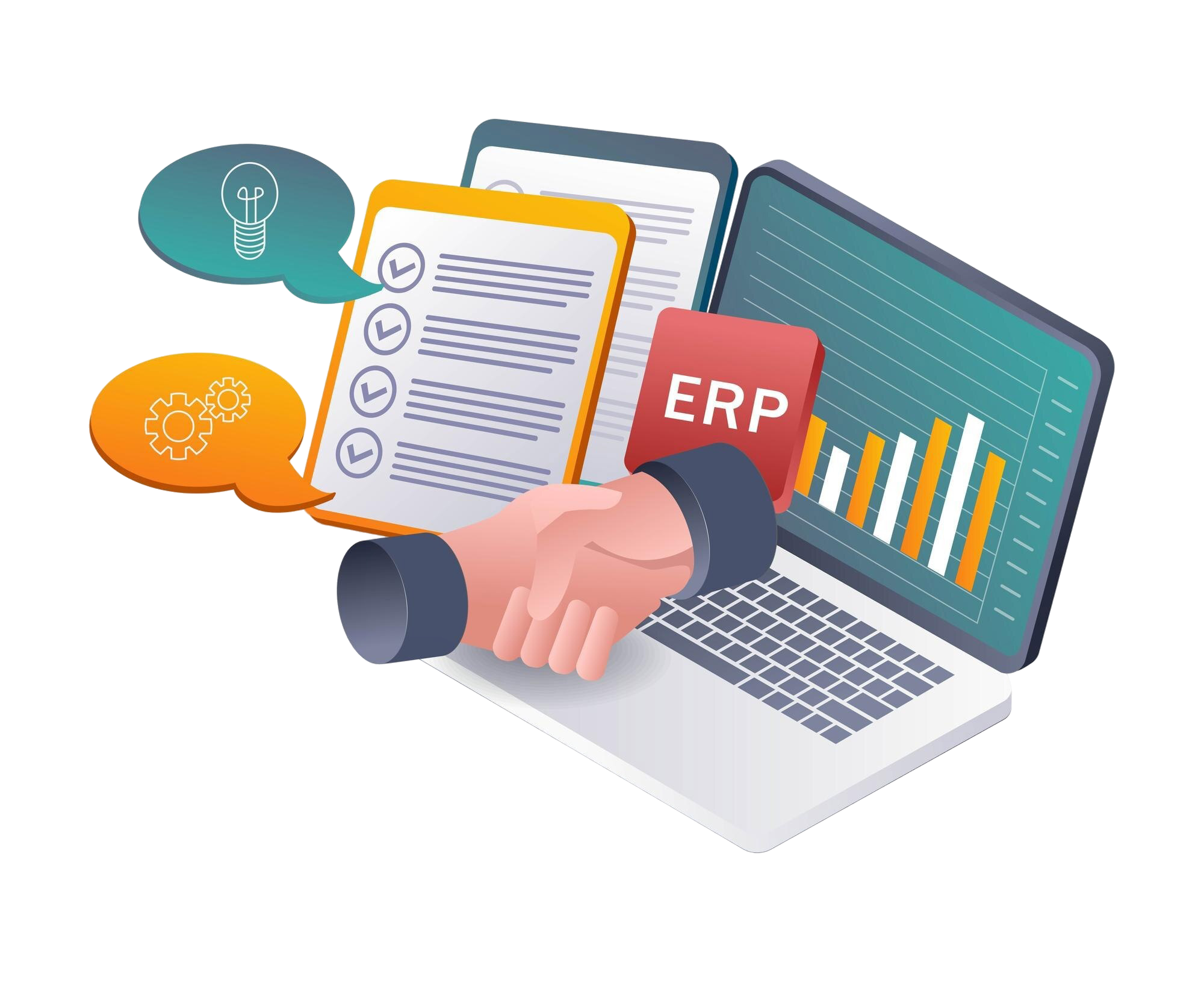
In other words, businesses can integrate their supply chain, financials, accounting, manufacturing, and human resources altogether through this system. Overall, it streamlines your marketing, sales, and customer support efforts. As a result, you can have complete visibility over your departments.
☯ On the other side, Customer Relationship Management (CRM) is also a system or software. It manages your organization’s relationships with leads and customers. You can get all your customers and contacts in one unified platform. It’ll require fewer follow-ups, or nurture your customer listings once you get your customers on one platform. You can plan further for customer retention or increasing sales by utilizing your CRM database.
| ERP | CRM |
|---|---|
| Focuses on your organization’s back office work | Focuses on your organization’s front office work |
| Many ERP systems support CRM functions | CRMs generally do not contain ERP |
| Eg. of ERP Tools 👇🏻 ▸ Account management ▸ Finance management ▸ Project management ▸ Inventory management ▸ Procurement management ▸ Supply chain management ▸ Production management ▸ Manufacturing management ▸ Human Resource Management |
Eg. of CRM Tools 👇🏻 ▸ Customer services ▸ Performance metrics ▸ Sales cycles ▸ Outreach tools ▸ 360-degree customer view ▸ Launch marketing campaigns ▸ Incentive programs ▸ Customer data management ▸ Feedback analysis |
Super exclusive benefits of ERP & CRM integration
Combining your ERP and CRM systems will open up new paths for better managing your business processes. Let’s check now what else you can expect from CRM & ERP integration in this section.
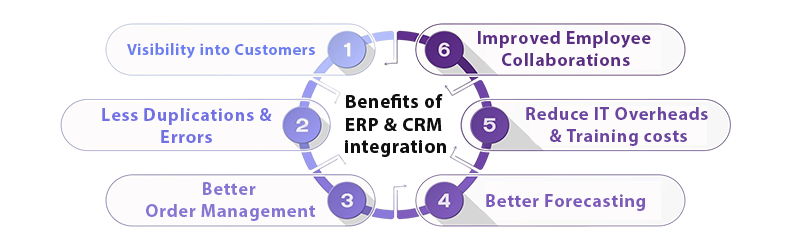
Visibility into your customers
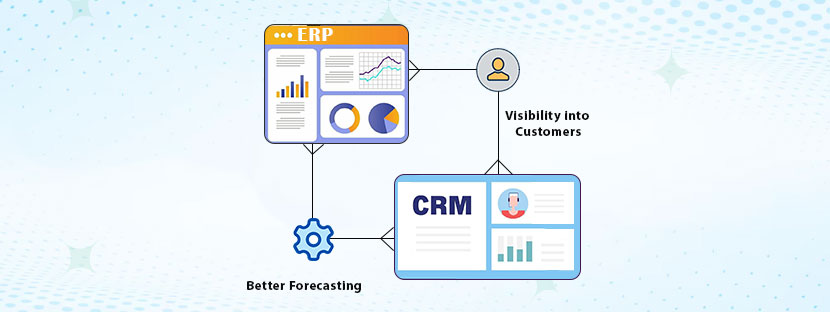
Having a 360-degree view of your customers at various levels is possible when you unify your CRM and ERP. From sales operations to marketing, all your data remains consolidated in your system. This allows your organization to make more informed decisions.
➕ Plus, it will also help you store relevant information about your customers. Thus, you can easily convince your customers and provide a better experience for them. Ultimately, you’ll end up retaining your customers. Providing a complete visibility of your customers is a great matter that ERP & CRM integration provides.
Less duplications & errors
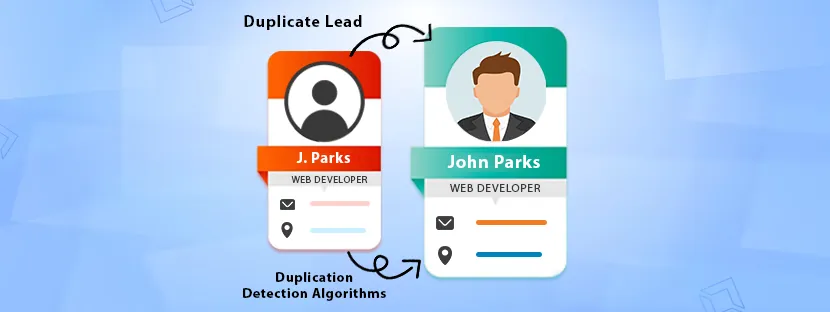
Duplicate customer data often gets created when you manage CRM and ERP databases separately. Finding details from two separate databases can take up time and energy. When you have an integrated database, you can simply get all your data right in front of you. On top of that, the chances of creating duplicate files will also be minimized due to this integration.
Better order management
Integrated CRM and ERP also means that your sales team gets more accurate quotes and leads on time. Also, they can have real-time access to necessary data like the latest price, discount rates, stock leftovers, etc. Using the same benefits, your customer service teams will now be able to provide shipping information and start following up with your customers in real time.
Better forecasting
Your organization can do better forecasting once you have integrated your CRM and ERP. All your financial information can be matched on demand, so your sales reps can match this information while they’re forecasting. Also, your accounting teams, sales teams, customer relations, and other teams can stay aligned when both systems are synced.
Integrated CRM and ERP systems leave a great impact on delivering a great customer experience. Imagine a customer contacted your sales team for price matters, and your sales reps navigate through multiple systems to find the exact information. Would it not increase customer frustration ❓ Maybe the customers have to wait a few minutes on the call. And, it ends up with poor customer experience.
Now imagine you have an integrated system (ERP and CRM together) and you’re answering customer queries within a few seconds. Because you can see all your data in a uniform format. It will become easy for you to navigate through your database in this case.
🎯 As a result, you can increase the customer satisfaction rate 🌟.
Reduce IT overheads & training costs
Thus, every organization focuses on reducing training costs over the years. Hence, having an integrated CRM and ERP fulfills these requirements. It reduces training costs because your teams do not have to juggle between two systems. A single and unified system is simpler and direct, which is also relevant for day-to-day work.
Improved employee collaborations
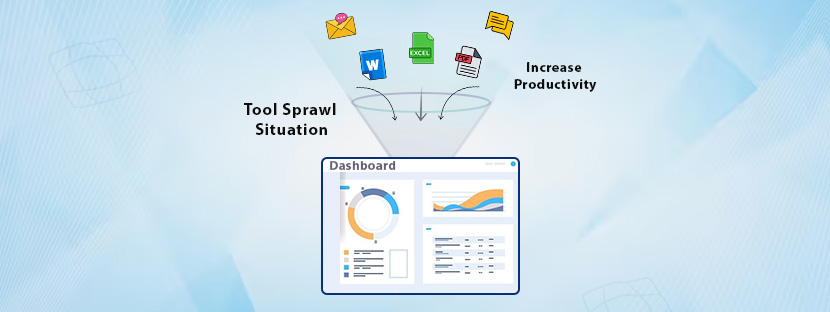
Achieve the highest productivity within your existing systems. Integrating ERP with CRM systems is the right way to do that. It can bring everyone in your system on the same page without creating miscommunication. Your teams can share and get up-to-minute information when your ERP and CRM systems are synced together.
Integrate CRM & ERP Smoothly
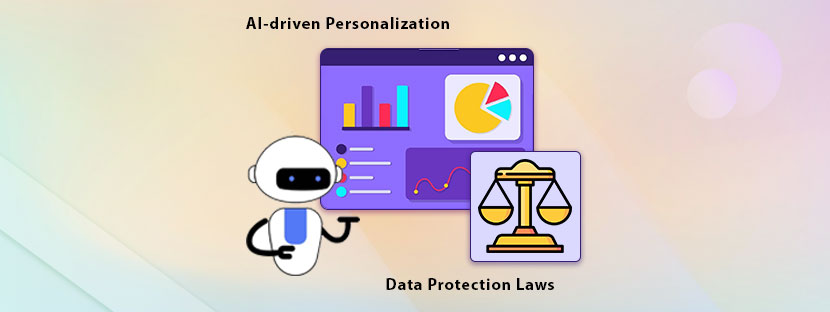
Managing your internal operations while providing a better experience to your customers should be the goal here. For that, unifying CRM and ERP is the best and reliable option. Your business is unique, and therefore, it might need some customization besides this system integration. It must include data clean-ups, validating data records, and various other things.
Figuring out the best approach for you is a must. Integrating your ERP and CRM systems in the right way can only support your present and future needs.