In This Article
Enterprise resource planning is a critical element in any business. To manage all business functions peacefully, ERP should remain stable.
As a CIO, you should always prefer this. But you must always remember that ❝ERP is not the technology, it’s about your business❞. Implementing ERP can sometimes become extra challenging. At that point, you require some guidance and expert tips.
Therefore, this blog serves as a guide for you to follow before deploying an ERP system within your organization.
All right, let’s get it started!
How to get the right ERP for your organization
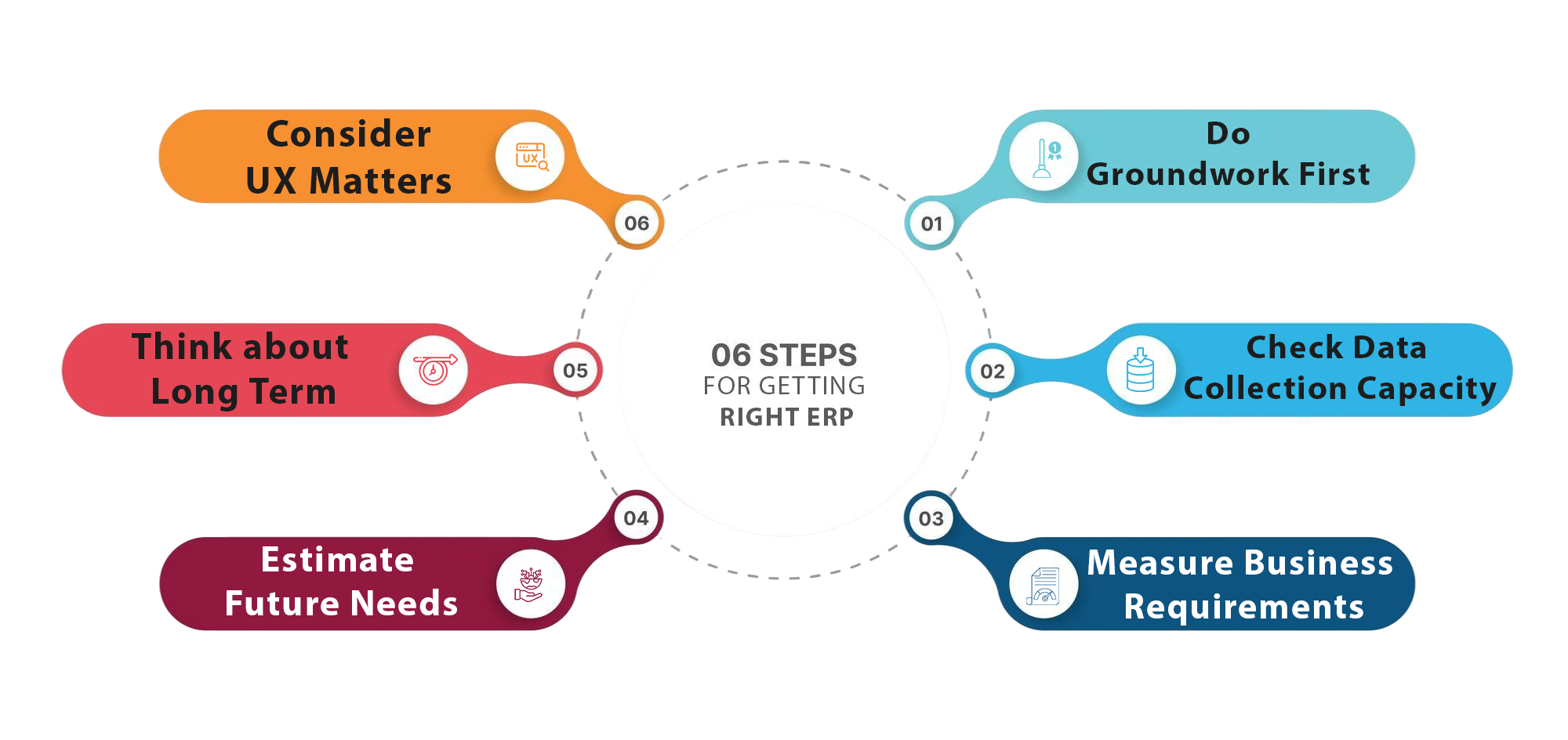
Do the groundwork first
Selecting the right vendor to get your ERP is a critical matter. Your experience as CIO will help you in this matter. On the internal side, you must acknowledge all your issues involving organizational, political, governance, change management, etc.
Every organization feels things in different ways. Some need a general ERP system, while some need a specialized tool for managing their operations. It’s also true that every organization faces some form of conflict with its existing system. Adopting a new system also brings friction. Some people want to stay reluctant with the existing system, while some want rapid change. As CIO, your primary task is to identify these patterns.
After checking on the conflicts, you can now determine what kind of system you need for your ERP system. You can figure out whether you need your ERP system built on a coding platform or a no-coding platform.
Check your data collection capacity
From supply chain operations to human resource functions, an ERP system does everything. Therefore, you need to take special care of the data collection capacity of your system. Understanding the capacity of data load is the basic situation that you need to study here.
Creating a single version of the truth is the main priority and motivation behind the development of ERP. It’s essential for businesses as they scramble with supply-chain issues and therefore require real-time visibility into the process.
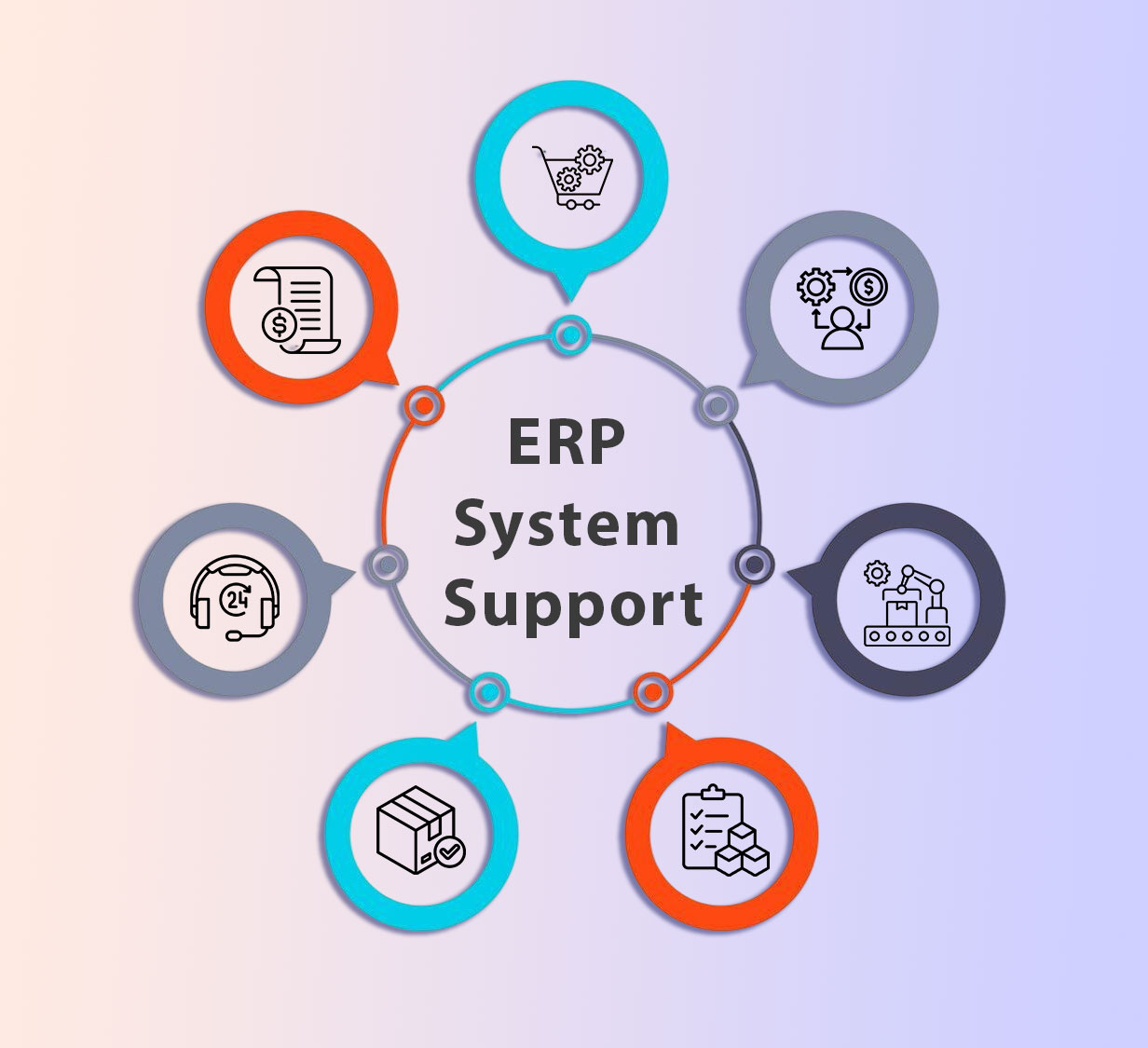
A healthy ERP system should provide enough visibility to every important function of your organization. Thus, you need to keep checking all these important parameters to get your organization an efficient ERP system.
Measure business requirements
Most of the time, organizations want to act rapidly to bring in the advantages of an efficient ERP system. In that rush, most often they choose the wrong vendor or do something that makes them regret it later. Every time it happens only because of undermining business requirements.
It’s always best if the CIO has already figured out the current business requirement of ERP adoption. Large organizations never compromise on selecting the right vendor. They generate hundreds of business requirements and analyze them with closed inspection. It helps them find the right vendor that could meet all their requirements.
👁️🗨️ It has been noticed that organizations that narrowed down their requirement list have understood their business better. Narrowing down critical business processes helps detect business differentiators. These are the elements you cannot ignore when you look for an ERP system.
Estimate future needs
Nowadays, every business is moving its system to the cloud. Therefore, ERP systems that come with automated cloud sync options are becoming popular at the current time.
Imagine companies that have adopted a better legacy ERP software (offline). What do they do now❓ Most probably, they’ll switch to a cloud platform now. But if they had chosen a cloud-enabled ERP at that time, then they could’ve saved some costs.
Well, for that, as a CIO, you need to anticipate the future needs of your organization. It means that what will happen in the future, you need to predict it today. To make it smooth, you need to answer some questions to detect the nature of the event.
➢ Will the present system be capable of handling the coming shortfalls?
➢ Is the current ERP system strong enough to clear bottlenecks?
➢ Does the system require frequent updates to adopt the latest features?
➢ Is this system upgradable?
Answering these questions can change your perception of the ERP system. It will directly mould your ERP system from being just a procurement tool to a strategic tool.
Think about the long term
Sometimes organizations implement the best ERP system, but don’t get the team strength to record data. To get all records entered into the system, many organizations outsource ERP processes as per their strategic move. This is a long-term strategy that businesses can stay upon. Or they have another option too. Partnering with an ERP vendor can also help businesses manage their ERP system peacefully.
In both cases, whether outsourcing or choosing a vendor, finding the right fit is a critical task. Various factors to be considered to get a partner who speaks the same language as you.
Consider UX matters
ERP tool plays a vital part in business operations. From observing the manufacturing activities to overseeing the HR activities, it does all. Mainly, all the people from your internal team get involved in managing ERP activities. Naturally, you need to get a system that is intuitive and provides a good user experience.
Companies should choose a vendor that offers a good layout in their ERP system. Besides checking the interface, you can read their digital guide, teaching material, join their dedicated groups or forums. This will make all your confusion clear regarding ERP implementation.
Focus on ERP management from day one
Fragmented operations do nothing but create a mess and block revenue potential. Making all your streams of operations active and flowing is the main aim here. Hence, adopting a smooth-flowing ERP system is an excellent choice at this point.
Besides this, organizations can make important or critical changes faster than ever. You can easily transform your business operations into a digital-first structure effectively. Just keep your focus strongly on managing ERP systems effectively.